


Fridge Hero: Track Leftovers
3.626.00 Reviews
App Specs
- Version
- 1.9.4
- Updated On
- License
- Free
- Downloads
- 10,000+
- Developer
- Jurasco Inc.
- Categories
- Food & Drink
- Platform
- Android
Screenshots
 Analysis by AppCompare
I like the idea behind Fridge Hero: Track Leftovers because food waste is often caused by small oversights rather than dramatic shopping mistakes. A container gets pushed behind a carton, an opened ingredient loses its label, or a freezer item becomes impossible to identify. This Food & Drink app from Jurasco Inc. is designed to make those everyday details easier to see by keeping pantry, fridge, and freezer items in one place.
After spending time with it, I see Fridge Hero as a practical reminder system rather than a complete meal-planning platform. Its strongest value comes from giving forgotten food a visible place in your routine. The app is free to use, aimed at Everyone, and has reached over ten thousand installs. Its average rating is 3.6 from around ninety ratings, which suggests a useful but not universally polished experience. That feels fair: the concept is genuinely helpful, although the benefit depends heavily on how consistently you maintain the inventory.
How Fridge Hero fits into a real kitchen routine
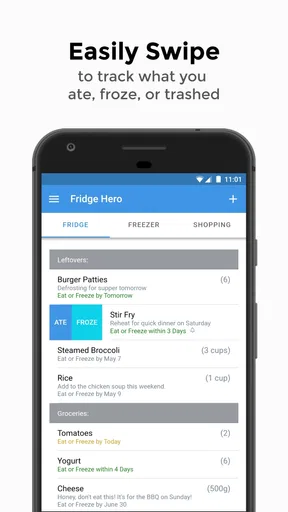
The app’s main job is simple: record what you have, keep an eye on expiry dates, and notice when the fridge or freezer needs attention. That focus makes it different from a recipe app. It does not begin with “what should I cook tonight?” Instead, it begins with “what food do I already own, and what should I use soon?”
That distinction matters in a busy household. A recipe service may help you choose meals, while a shopping-list app may help you remember what to buy. Fridge Hero sits earlier in the process by helping you understand the ingredients already taking up space. I found that especially useful for leftovers, opened packages, and foods stored out of sight. These are the items most likely to be wasted because they are not part of a regular shopping list.
The app is also broad enough to suit different storage habits. Someone living alone can use it for a small fridge and a few freezer staples. A family can use the same idea to keep track of several partially used ingredients. The important point is not to enter every item with obsessive precision. The system becomes more useful when it captures the foods you are genuinely likely to forget.
The best way to start without creating extra work
I would not recommend opening the app and trying to catalogue an entire kitchen in one sitting. That approach turns a helpful tool into a tedious chore before it has had a chance to prove its value. A better starting point is to add the foods that already cause problems: leftovers, opened dairy products, prepared meals, meat in the freezer, and ingredients bought for a specific recipe.
This creates a smaller, more realistic inventory. Once those items become part of your normal routine, you can add pantry goods and longer-lasting staples. The trade-off is important: a detailed inventory gives you a clearer picture, but a partial inventory that you actually maintain is more useful than a perfect list abandoned after one weekend.
Worth Reading Before You Choose

Flipboard Shows What News Apps Must Do Beyond the Feed

Switching to Android Auto Means Rethinking Your Driving Routine

Google Calendar Makes a Crowded Week Easier to Manage

Ludo King Makes the Most of the Minutes Between Plans

Baby Panda World Brings Quick Play to Modern Phones, but Its Game Library Feels Busy

ESPN’s Live Game View Makes Following Close Games Easier
I also found it helpful to update the app at natural moments rather than treating it as a separate administrative task. When putting away groceries, add the items that need attention first. When packing leftovers, record them immediately. When taking something from the freezer, remove or update it before closing the door. These small habits reduce the gap between the physical kitchen and the digital list.
Expiry tracking is most useful when it supports decisions
An expiry date by itself does not solve food waste. The real benefit comes when the date changes what you do. If the app draws attention to food that should be used soon, I can move that ingredient to the front of the fridge, choose it for lunch, or adjust dinner plans around it. That is a more practical use than simply collecting dates and never checking them.
For leftovers, I would use the tracker as a prompt to inspect the container rather than as an automatic guarantee of safety. Storage conditions, food type, and handling still matter. The app can help me remember that something exists and deserves attention, but it cannot judge whether food has been stored correctly or is safe to eat. That is an important boundary for anyone expecting a digital expiry list to replace common sense.
A useful personal rule is to enter the date that helps me make a decision, not just the date printed on packaging. For a prepared meal, that may be the day it was cooked or stored. For an unopened product, the package date may be the relevant reference. Thinking this way makes the reminders more meaningful because they reflect how the food is actually being used.
Freezer and fridge restocking are different problems
One of the more useful ideas in this app is separating the mental job of tracking food from the physical location where it lives. Fridge items often need quick attention, while freezer items can disappear from memory for weeks. Pantry goods may last longer but still matter when a recipe depends on them. Treating all three areas as one undifferentiated list would make it harder to decide what needs action now.
For a freezer, I would record items in a way that remains recognizable later. “Soup” may be enough when there is only one container, but a more descriptive name is better when several meals look alike. This is one of the app’s practical trade-offs: the quality of the inventory depends on the clarity of the entries. A few extra words at the beginning can save a frustrating search later.
Restocking is also more useful when I treat it as a review of habits rather than a demand to refill everything. If I repeatedly remove a certain staple, the inventory can reveal a genuine shopping pattern. If an item stays untouched, that may be a sign that I am buying it automatically rather than because I use it. Fridge Hero cannot make that judgment for me, but it gives the habit something concrete to examine.
What the current release tells me about the product
The current version is 1.9.4, and the app was released on May 14, 2019. That history gives Fridge Hero a more established feel than a brand-new kitchen experiment, but it also makes the present experience more important than the original launch promise. I judge it mainly by whether the current workflow is quick enough to maintain and clear enough to trust during an ordinary week.
The version number shows that the product has gone through multiple iterations, yet I would not treat that alone as proof that every rough edge has disappeared. A numbered update can improve stability or adjust existing behavior without transforming the app into a full household management system. In practical terms, I would install it expecting a focused inventory tool, not a constantly expanding platform.
That is actually a strength for some users. The app’s purpose is easy to understand, and the store summary points directly toward pantry inventory, expiry awareness, and fridge or freezer restocking. It does not need to compete with a recipe catalogue to be useful. Its current identity is clearer when I use it as a visibility tool for food I already own.
There is also a paid element: in-app purchases are listed at $9.49 per item. Since the app itself is free, I would begin with the free experience and decide whether the extra purchase is worthwhile only after using the basic workflow for a while. The right question is not whether a paid option exists, but whether it removes a limitation that affects my actual routine. Someone with a small kitchen may never need more than the free starting point, while a larger household may place more value on expanded capability if it fits the way they organize food.
How existing users may experience the evolution
For someone who has used Fridge Hero for a long time, the biggest effect of version changes is likely to be familiarity. Inventory apps live or die by habit, so even a small change in how an item is added, edited, or reviewed can affect whether people keep using them. I would be cautious about rebuilding my entire system after an update. Instead, I would check a few important entries first: a leftover, a freezer item, and a pantry staple.
That quick check answers the questions that matter in daily use. Can I still find the item easily? Is the date displayed in a way I understand? Can I correct a mistake without starting over? Does the location remain clear? These are more valuable tests than simply noticing that the version number has changed.
New users have a different advantage: they can design a clean routine from the start. I would use consistent names, avoid adding foods I will never check, and decide whether the app is primarily for expiry reminders, stock awareness, or both. Existing users may already have a large list, but newcomers can avoid clutter by entering only items that influence a real decision.
The app’s 10K-plus install base and 26 written reviews show that it has attracted a modest but real audience. I would interpret that as enough interest to justify trying it, not as a reason to assume it will suit every kitchen. The average rating of 3.6 also reinforces the need for realistic expectations. It is a specialized utility with a clear purpose, and specialized utilities often feel excellent to the right user while feeling unnecessary to everyone else.
Where it compares well with ordinary alternatives
The simplest alternative is a note on the phone. A note is faster to create and completely flexible, but it usually lacks the structure that makes expiry and storage location easy to review. Fridge Hero is better when I want food entries to behave like an inventory rather than a paragraph of reminders. A spreadsheet offers more control, but it asks me to build and maintain the system myself, which is more effort than many people want for leftovers.
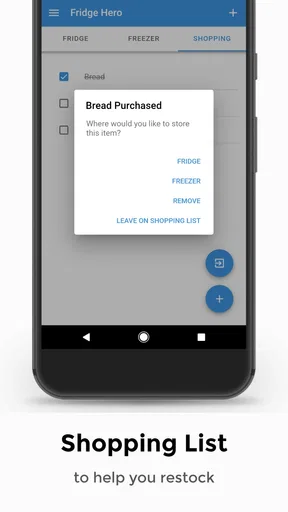
A shopping-list app is useful for remembering what to purchase, yet it is not necessarily designed to answer what should be eaten first. Fridge Hero is more relevant when the problem is forgotten food already at home. Recipe apps can suggest meals, but they may encourage browsing rather than using the ingredients that are closest to expiry. I would choose this app when visibility and timing are the priority.
On the other hand, a dedicated meal-planning service may be better for a household that wants recipes, servings, nutrition planning, and a coordinated grocery workflow in one place. Fridge Hero should not be judged as a replacement for all of those tools. Its advantage is narrower: it keeps attention on stored food. If I need a complete weekly planning system, I would look elsewhere or use this alongside one.
A realistic weeknight example
Imagine I come home after work with little energy to cook. I open the app and see that a container of cooked food, an opened ingredient, and something in the freezer need attention. That changes the decision from “what sounds good?” to “which of these can become dinner before it is forgotten?” I may not follow a recipe inside the app, but I have a clearer starting point and a better chance of using what I already paid for.
The same workflow helps after a larger grocery trip. Instead of putting everything away and relying on memory, I can record the foods most likely to vanish behind newer purchases. A few days later, the inventory becomes a prompt to check the fridge before shopping again. This can prevent duplicate purchases, especially for ingredients that are easy to overlook when they are stored in different places.
For shared households, the benefit depends on everyone respecting the system. If one person adds items but nobody marks them as used, the list becomes stale. I would agree on a simple rule: record leftovers and freezer portions, and remove them when they are finished. That is enough to create value without turning kitchen cleanup into data entry.
Remaining gaps and who should think twice
The central weakness is the same as the central requirement: the inventory needs care. If I forget to add food, enter an inaccurate date, or leave consumed items in the list, the app’s picture of the kitchen becomes misleading. No tracker can solve that completely. Fridge Hero reduces reliance on memory, but it does not eliminate the need for a small amount of maintenance.
That makes it a poor match for someone who dislikes recording anything while cooking or unpacking groceries. A basic note may be better for a person who only wants occasional reminders, because opening a structured inventory can feel like more effort than the problem deserves. It may also be the wrong choice for someone seeking automatic recognition of every product or a fully automated household system; I would not assume the app can replace those expectations.
Another limitation is that expiry information needs interpretation. A date can tell me when to pay attention, but it does not know whether a chilled item stayed cold, whether a container was sealed, or whether food has changed in smell or appearance. I would use the app to prioritize inspection and consumption, never as the sole reason to decide that something is safe.
The free model is approachable, but the presence of $9.49-per-item in-app purchases means I would check the purchase screen carefully before committing. I would want to understand exactly what the paid option changes for my use case. If the free version already handles the small set of foods I need to monitor, paying may not improve my routine. If the app becomes central to managing a larger household, the calculation could be different.
Compatibility is also worth considering before installation. The minimum operating system is Android 7.0, so users on older devices should check their phone or tablet first. For supported devices, the Everyone age rating makes it suitable for a broad household audience, although the practical usefulness still depends on whether the people sharing the kitchen are willing to keep the entries current.
Small techniques that make the tracker more reliable
My first tip is to prioritize “high-risk forgettable” food rather than expensive food or every item equally. A half-used jar that sits behind other products may deserve attention sooner than a sealed pantry staple. This creates a more useful signal and keeps the list manageable.
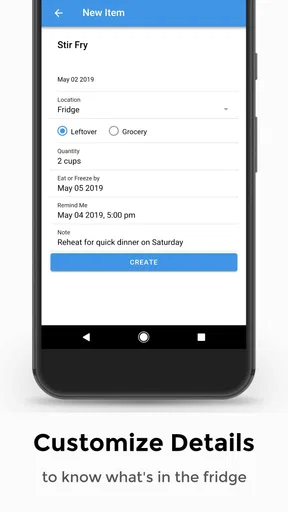
My second tip is to use consistent wording for leftovers. I would include the main dish and, when helpful, a distinguishing detail such as a portion or ingredient. That makes freezer review faster and prevents the common problem of seeing several entries that all look identical. The extra clarity is especially valuable when I am tired and want to choose something quickly.
My third tip is to review the inventory before shopping, not only after groceries arrive. That turns the app into a decision tool: I can check whether I already own an ingredient, notice what should be used first, and avoid buying a duplicate. It is a different habit from simply entering purchases, and it gives the tracker a direct effect on spending and waste.
Finally, I would schedule a short cleanup whenever I empty the fridge or freezer. Removing finished items and correcting anything that changed keeps the inventory trustworthy. Without that reset, even a well-organized list slowly becomes a record of the past rather than a picture of what is available now.
What I would watch before making it a long-term tool
If I were deciding whether to keep using Fridge Hero, I would watch how quickly I can record a leftover, how easily I can find food by storage area, and whether the expiry view changes my behavior. Those are the tests that matter more than the app’s age or its version label. An update is valuable to me when it reduces friction in those moments.
I would also pay attention to how the paid option fits into the long-term workflow. A free app is easy to try, but a purchase should solve a clear problem rather than simply unlock more complexity. I would rather keep a small, accurate inventory than pay for a larger system I do not maintain.
My overall view is positive but specific. Fridge Hero is worth trying if forgotten leftovers, freezer items, and expiry dates are recurring problems in your kitchen. It gives those foods a visible place and encourages better decisions before the next shopping trip. I would skip it if I want recipes, automatic household management, or a completely hands-off experience.
For me, the app works best as a quiet kitchen assistant: not a replacement for judgment, meal planning, or a shopping list, but a practical layer between buying food and actually using it. If I keep the inventory focused and update it at the moments when food changes hands, the strongest benefit is not more information, but fewer forgotten decisions. That makes the free download a sensible experiment for anyone trying to waste less without rebuilding their entire approach to cooking.
Pros
- Quickly logs leftovers with photos
- names
- and expiration dates.
- Expiration reminders help reduce forgotten food in the fridge.
- Simple inventory view makes it easier to plan meals around leftovers.
- Useful for households trying to cut food waste and grocery spending.
- Flexible categories help organize cooked meals
- produce
- and opened items.
Cons
- Manual entry can become time-consuming after large meals or grocery trips.
- Reminder accuracy depends on entering realistic expiration dates.
- Limited value if household members do not update the shared inventory.
- Some features may require permissions or a paid upgrade.
- Food safety guidance may not replace checking each item’s actual condition.
FAQs for Fridge Hero: Track Leftovers
What is Fridge Hero: Track Leftovers used for?
Fridge Hero: Track Leftovers is designed to help you organize the food stored in your refrigerator, freezer, and pantry. You can record items, monitor their quantities, and keep an eye on expiration dates so food is less likely to be forgotten. It is especially useful for households that want to reduce food waste, plan meals more efficiently, and make better use of ingredients already at home.
How does Fridge Hero help track expiration dates?
The app allows you to add food items and associate them with purchase or expiration information. Once your inventory is entered, you can review what needs to be used soon and prioritize ingredients before they spoil. The usefulness of the reminders depends on entering accurate dates and checking the app regularly, so it works best as an organized food-management tool rather than a replacement for inspecting food quality yourself.
Can I use Fridge Hero to plan meals around leftovers?
Yes, the app is intended to make leftover management easier by giving you a clear view of what is available. Instead of buying duplicate ingredients or forgetting containers at the back of the refrigerator, you can check your inventory before preparing meals or shopping. This can help inspire recipes based on food that should be used first, although the exact meal-planning options may depend on the app version.
Is Fridge Hero: Track Leftovers free to download and use?
Fridge Hero may be available as a free download, but users should check the current App Store or Google Play listing for the latest pricing details. Some features in food-tracking apps can be limited to a premium plan, such as advanced reminders, unlimited inventory entries, synchronization, or additional organization tools. Review the store description and in-app purchase information before subscribing or making a payment.
Does Fridge Hero require an internet connection or account?
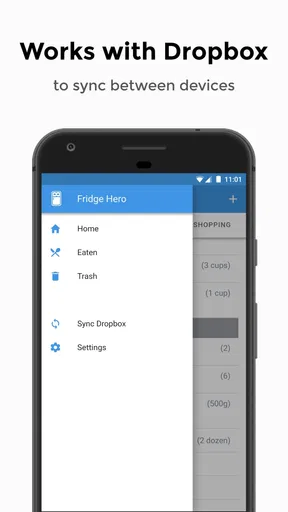
Basic inventory tracking may work without a constant internet connection, but certain functions could require connectivity, depending on how the app stores and synchronizes data. Features such as cloud backup, account-based access, advertisements, updates, or sharing may also depend on an online connection. Before relying on the app for important household records, check its permissions, privacy policy, and whether your data can be exported or recovered.


